
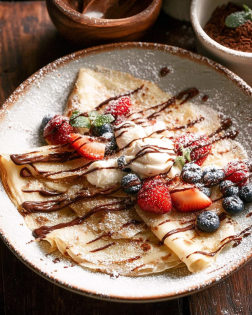
I still remember the very first time JB made these crêpes for me. It was one of those slow mornings when the sun felt extra gentle and the kitchen smelled like a mix of warm butter and coffee. He whisked the batter with this almost meditative rhythm, not rushing anything, and I found myself just watching—absorbed by how something so simple could feel so special.
When the first crepe hit the pan, that soft pshhhh sounded like the official morning bell. The edges curled ever so slightly, turning golden in seconds, and the air filled with that unmistakable aroma of butter meeting heat. You know the one—comforting, nostalgic, a little magical.
I remember thinking, This is exactly the kind of recipe people grow up with, the kind that eventually becomes “our” recipe, the one you pull out for lazy Sundays, birthdays, and those random midweek nights when everyone needs a little warmth.
The batter is silky, almost luxurious, and it pours like a dream—thin, smooth, obedient. No lumps, no fights, no weird thickness. Just perfect ribbons of batter every single time.
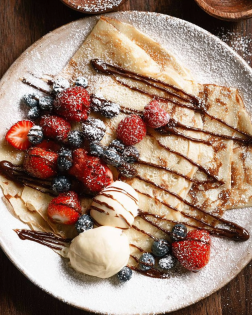
And honestly, part of the charm is how versatile they are. Some days we go sweet—honey, jam, chocolate spread. Other days we wrap them around cheese, eggs, or turkey. They adapt to whatever mood the day brings.
But the best part? JB insisted on keeping the recipe simple. “A good crepe,” he says, “doesn’t need drama.” And he’s right. This one quietly delivers perfection, every single time.
It’s funny how a humble crêpe can feel like a tiny piece of French comfort—soft, warm, secretly addictive. And once you make them this way… well, you’ll understand why we just keep coming back.
Recipe Resume (Todd Wilbur–Style Selling Points)
• Thin, buttery, and irresistibly soft.
• Batter comes together in minutes—zero fuss.
• Works for sweet or savory fillings.
• No special tools needed.
• Flexible, foldable, beautifully golden.
• Foolproof for beginners, satisfying for pros.
• Perfect for breakfast, brunch, or dessert.
• A reliable, family-loved staple you’ll crave often.
Why This JB’s Crêpes Recipe Is the Only One You’ll Ever Need
Cuisine Type: French
This recipe became “our thing” completely unintentionally. JB made it once, then twice, then suddenly it became the one dish every friend requested when they came over. One of our friends even joked that we should “start charging per crepe.”
There was a moment—maybe the third or fourth time—when I realized this recipe felt like a love language. No rush, no pressure… just quiet happiness shared over something warm folded in half. It’s comforting, nostalgic, and ridiculously dependable. And every time I make it now, I feel that same softness in the air.
What You Really Need to Make This Amazing JB’s Crêpes (Simplified)
1 cup all-purpose flour
2 large eggs
1 ½ cups milk
2 tbsp melted butter
1 tbsp sugar (optional for sweet crêpes)
Pinch of salt
Butter for the pan
How to Master the Perfect JB’s Crêpes (My Secret Method)
Start by whisking the eggs with the flour, not too aggressively—just enough to bring them together. Slowly pour in the milk, letting the batter thin out naturally. Add the melted butter and a tiny pinch of salt. The key here is patience: slow whisking means no lumps and that magical, silky texture.
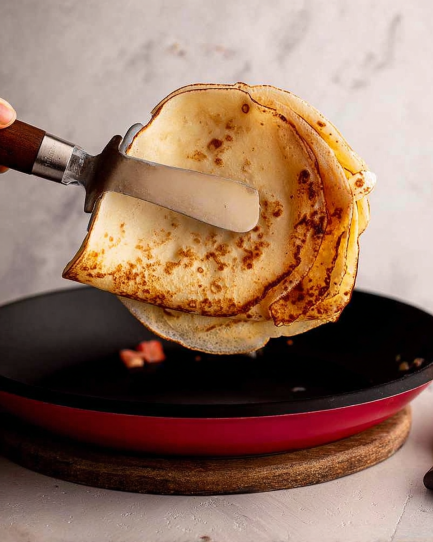
Heat your pan well, wipe it with a tiny bit of butter, and pour just enough batter to coat the bottom in a thin, delicate layer. Tilt the pan gently—it feels almost like painting. When the edges start to lift and turn lightly golden, flip quickly and confidently. The second side needs only a breath of time.
Chef’s Notes and Tips For A Flawless JB’s Crêpes
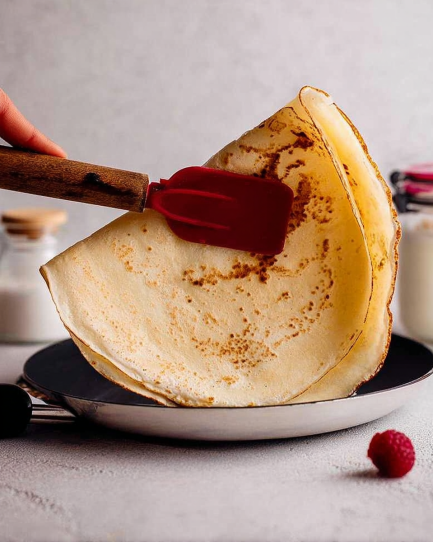
If your batter feels slightly thick, don’t panic—just add a splash more milk. The perfect crepe batter is thinner than pancake batter, almost runny. Letting the batter rest for 10 to 20 minutes helps everything relax and gives your crêpes that café-style tenderness.
Also, resist the urge to overcrowd your pan with butter. A lightly buttered surface creates a golden, even finish. Too much butter causes patchy browning and makes flipping trickier.
Lighten It Up! Simple Swaps for a Healthier JB’s Crêpes
Use whole-wheat flour or a 50/50 blend. Choose low-fat milk, or make them fully dairy-free using oat milk and vegan butter. Skip the sugar and fill them with yogurt and berries for a light breakfast.
For a low-carb version, use almond flour and add an extra egg to help bind.
And there you have it!
Perfect, silky French crêpes—simple, comforting, and endlessly customizable. Let me know how yours turn out, and grab a look at our other recipes for more cozy inspiration.
Are You Curious About Anything Else? Take a Look at the Most Frequently Asked Questions We Get About This Recipe
1. How do I avoid lumps when making an authentic French crepe batter recipe?
The trick is to add the liquid slowly while whisking continuously. If you pour in all the milk at once, the flour clumps instantly and refuses to smooth out. Drizzling the milk in gradually helps the batter stay silky.
You can also strain the batter through a fine sieve—French grandmothers swear by this step.
2. Why are my homemade crepes tearing or sticking to the pan?
A too-dry pan or too-thick batter is usually the culprit. The pan needs a thin film of butter and must be fully preheated before you pour the batter.
If the crepe tears, your batter may need more milk. If it sticks, increase the butter slightly or use a higher-quality nonstick pan.
3. Can I make the crepe batter ahead of time?
Yes—making the batter ahead actually improves the texture. When left in the refrigerator for 1–24 hours, the flour fully hydrates, resulting in smoother, thinner crepes without cracking.
Just give the batter a quick whisk before cooking as it naturally separates when chilled.
4. What fillings go best with these thin homemade crepes?
For sweet crêpes: jam, honey, sliced strawberries, Nutella, caramelized apples, or whipped cream.
For savory crêpes: cheese, eggs, spinach, turkey slices, mushrooms, or smoked salmon.
This best crepe recipe for sweet and savory fillings works beautifully with anything because the batter is neutral and adaptable.
5. Why do my crepes turn out thick instead of thin?
Your batter is simply too dense. Add milk a tablespoon at a time until it’s closer to heavy cream consistency.
Another trick: swirl the pan immediately after pouring. Waiting even two seconds causes clumping and thickness.
6. Can I freeze crepes for later use?
Yes! Stack them with parchment between each crepe, wrap tightly, and freeze for up to 2 months.
To reheat, warm gently in a pan or microwave for 10–15 seconds.
JB’s Crêpes
4
servings30
minutes40
minutes300
kcalIngredients
1 cup all-purpose flour
2 large eggs
1 ½ cups milk
2 tbsp melted butter
1 tbsp sugar (optional for sweet crêpes)
Pinch salt
Butter for the pan
Directions
- Start by whisking the eggs with the flour, not too aggressively—just enough to bring them together. Slowly pour in the milk, letting the batter thin out naturally. Add the melted butter and a tiny pinch of salt. The key here is patience: slow whisking means no lumps and that magical, silky texture.
- Heat your pan well, wipe it with a tiny bit of butter, and pour just enough batter to coat the bottom in a thin, delicate layer. Tilt the pan gently—it feels almost like painting. When the edges start to lift and turn lightly golden, flip quickly and confidently. The second side needs only a breath of time.