
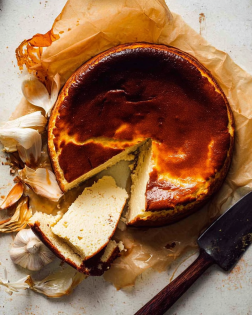
There’s something almost theatrical about pulling a Basque cheesecake out of the oven. The top comes out dark—really dark—and every time, I get that tiny jolt of “oh no, did I burn it?” before remembering that this is exactly how it should look. The first time I baked one, the smell filled my entire kitchen with this warm, toasted caramel aroma, and I remember thinking, how did something with six simple ingredients smell this luxurious?
I didn’t grow up baking cheesecakes, but the Basque version pulled me in because it didn’t ask for perfection—actually, it refuses it. No crust to fuss over, no water bath, no worrying about cracks. In a world that constantly begs for flawless results, this cheesecake feels like a little rebellion. A delicious one.
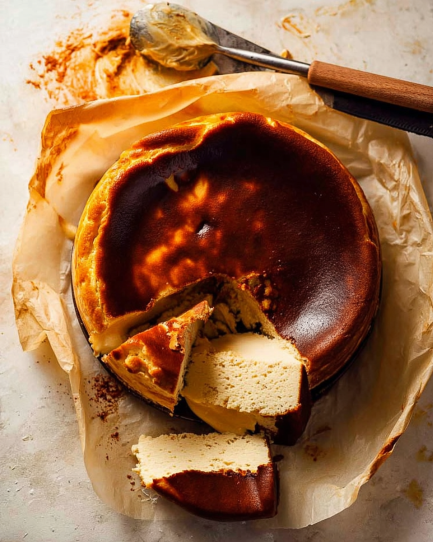
When I sliced into that very first one, the center wobbled ever so slightly, and the knife sank into a creamy middle that reminded me of custard. That moment basically rewired my brain. Since then, it’s become the dessert I make when I want something impressive but low-effort, dramatic but comforting.
Friends who’ve tried it always ask the same thing: “How does something this simple taste this good?” And I get it. It shouldn’t be possible. Yet here we are—six ingredients, one bowl, and a cheesecake that tastes like it belongs in San Sebastián.
And every time I bake it again, I fall a little more in love with how unpredictable and imperfect it is. That’s the charm. That’s the magic.
Recipe Resume (Quick Selling Points — Todd Wilbur Style)
- No crust. No water bath. Zero stress.
- Dramatic, caramelized top that looks impressive without trying.
- Silky, custard-center texture that never fails.
- Only six pantry-friendly ingredients.
- One bowl, one pan — minimal cleanup.
- Forgiving recipe: tiny mistakes still taste incredible.
- Perfect for celebrations or random Tuesday cravings.
- Truly authentic Basque flavor, straight from San Sebastián.
Why This Basque Cheesecake Is the Only One You’ll Ever Need
Cuisine: Spanish (Basque Region)
I still remember the first time I made this for my family. My sister kept circling the kitchen asking, “Are you sure it’s not too burnt?” and then, after the first bite, she quietly grabbed the plate and walked away with it. That’s when I knew this recipe was never leaving my rotation. The top caramelizes into this deep, bittersweet layer that balances the tangy cream cheese perfectly. Even people who “don’t like cheesecake” end up taking seconds—sometimes thirds.
What You Really Need to Make This Amazing Basque Cheesecake (Simplified)
- 2 ½ cups (560g) cream cheese, room temperature
- 1 cup (200g) sugar
- 4 large eggs
- 1 ½ cups (360ml) heavy cream
- ¼ cup (30g) all-purpose flour
- 1 tsp vanilla extract (optional but lovely)
- Pinch of salt
How to Master the Perfect Basque Cheesecake (My Secret Method)
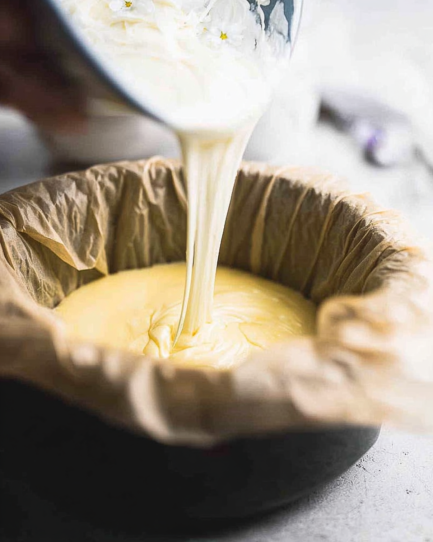
Start by lining your pan with parchment, letting it wrinkle naturally—don’t fight it. Those creases give the cheesecake its rustic edges. Beat the cream cheese and sugar until smooth and fluffy; you want it silky, not dense. As you add each egg, let it fully incorporate so the batter stays cloud-like.
Slowly pour in the cream and let it swirl into the mixture. At this point, the batter should be glossy and pourable, almost like thick melted ice cream. Add the flour last and mix just enough to disappear. Overmixing here can change the texture, so gentle is the rule.
Bake it at a high temperature so the top blisters beautifully. When you shake the pan and the center still jiggles, that’s your signal—it may feel wrong, but trust the process. As it cools, it sets into that iconic creamy middle.
Chef’s Notes and Tips for a Flawless Basque Cheesecake
If your cheesecake isn’t caramelizing enough, raise the rack closer to the top of the oven for the last few minutes. That extra heat encourages the burn without overcooking the interior. And resist the urge to overbake—Basque cheesecake must wobble when it comes out.
Letting it cool fully is key. I know the smell will tempt you, but slicing too early will give you a gooey mess. Delicious, yes, but messy. A couple of hours is enough for it to hold its shape while staying decadently creamy.
Get Creative! Easy Substitutions and Fun Variations
You can add a spoonful of espresso powder for a coffee-caramel flavor or fold in some orange zest for brightness. Swap the vanilla for almond extract if you prefer something nutty, or stir in chopped dark chocolate for a marbled effect. Even a swirl of berry compote works beautifully with the burnt caramel top.
Lighten It Up! Simple Swaps for a Healthier Basque Cheesecake
Use light cream cheese and replace half the cream with whole milk for a lighter but still creamy texture. Gluten-free bakers can swap the flour for a spoon of cornstarch. And for a lower-sugar version, reduce the sugar by 25%—the caramelization still works beautifully.
And There You Have It!
A dramatic, silky, unforgettable classic Basque cheesecake. Don’t forget to share how yours turned out, and take a peek at our other easy, indulgent recipes!
Are You Curious About Anything Else? Here Are the Most Common Questions We Get
1. Why does Basque cheesecake have a burnt top?
The signature burnt top comes from baking at a high temperature, which caramelizes the sugars and gives the cheesecake its iconic bittersweet flavor. It’s not just aesthetic—the darker top balances the rich, creamy center. In traditional cafés in San Sebastián, the goal is a deep amber burn, not a pale golden top.
2. How do I make my Basque cheesecake creamier?
A creamy center depends on two things: high heat and underbaking slightly. When the center jiggles like soft jelly, it will set into that perfect custardy texture as it cools. Using full-fat cream cheese and heavy cream also ensures richness.
3. Can I make this Basque cheesecake ahead of time?
Absolutely. This cheesecake actually improves after a few hours in the fridge as the flavors deepen. Bake it the day before, chill overnight, and slice when cold for the cleanest cuts.
4. Why does my cheesecake crack?
Cracks are completely normal for Basque cheesecake. Because it’s intentionally baked hot and fast, it’s meant to puff and settle irregularly. Instead of avoiding cracks, embrace them—they’re part of its rustic charm.
5. Can I freeze Basque cheesecake?
Yes! Freeze slices tightly wrapped, then thaw in the fridge. The texture remains soft and luxurious.
6. Do I need a crust for Basque cheesecake?
No crust needed. The burnt edges and creamy center provide all the texture contrast you need.
7. What size pan works best?
A 9-inch springform pan creates the perfect balance between height and custard texture. A wider pan will make it thinner and less creamy.
8. How do I prevent the parchment from sticking or tearing?
Lightly mist the pan before lining it so the parchment clings. Wrinkles are normal and even desirable.
Basque Cheesecake
4
servings30
minutes40
minutes300
kcalIngredients
2 ½ cups (560g) cream cheese, room temperature
1 cup (200g) sugar
4 large eggs
1 ½ cups (360ml) heavy cream
¼ cup (30g) all-purpose flour
1 tsp vanilla extract (optional but lovely)
Pinch salt
Directions
- Start by lining your pan with parchment, letting it wrinkle naturally—don’t fight it. Those creases give the cheesecake its rustic edges. Beat the cream cheese and sugar until smooth and fluffy; you want it silky, not dense. As you add each egg, let it fully incorporate so the batter stays cloud-like.
- Slowly pour in the cream and let it swirl into the mixture. At this point, the batter should be glossy and pourable, almost like thick melted ice cream. Add the flour last and mix just enough to disappear. Overmixing here can change the texture, so gentle is the rule.
- Bake it at a high temperature so the top blisters beautifully. When you shake the pan and the center still jiggles, that’s your signal—it may feel wrong, but trust the process. As it cools, it sets into that iconic creamy middle.